Industry analysis echoes the same trajectory. In the Sensor Tower report State of Mobile Gaming 2025, analysts note that live-service design has become an expectation rather than a novelty. Ongoing content updates, live events, and social multiplayer systems are now widely viewed as the backbone of retention and long-term revenue.
In the world of strategy and MMO titles, this dynamic becomes even more pronounced. Players rarely engage alone; instead, they operate within alliances and guilds where cooperation and competition coexist. Clan wars, cooperative PvE challenges, and leaderboard rankings create a rhythm that encourages players to return not only for progress but also for status within their community.
Live-Service Design and the Power of Community
Developers have increasingly leaned into this model by structuring games around live events and carefully timed incentives. Rotating activities, seasonal passes, and limited-time heroes or skins introduce an element of urgency—often referred to as FOMO (fear of missing out)—which encourages players to stay engaged with the game’s evolving world.
When executed well, these systems do more than drive participation. They create a living ecosystem in which players perceive the game as continuing to grow alongside them. Few titles illustrate this longevity better than Evony: The King’s Return, which recently celebrated its ninth anniversary, a notable milestone in the fast-moving mobile market.
Behind the game is Top Games Inc., an independent studio formally established in 2015. Although the company is relatively young, its core development team brings more than a decade of industry experience, having worked across multiple mobile game genres before launching its flagship strategy title. Today, the studio serves players in over 150 countries and regions, supporting more than 25 languages as its community continues to expand.
Since launching in 2016, Evony: The King’s Return has cultivated a player base that values both its strategic depth and its social dimension. One player on Google Play summed up the experience simply:
“I’ve played for about a year and a half. I love Evony—the storyline works, I’ve met a lot of great people, and the events are always satisfying. It’s fun to jump into when you’re bored.”
Events Capture Loyal Players
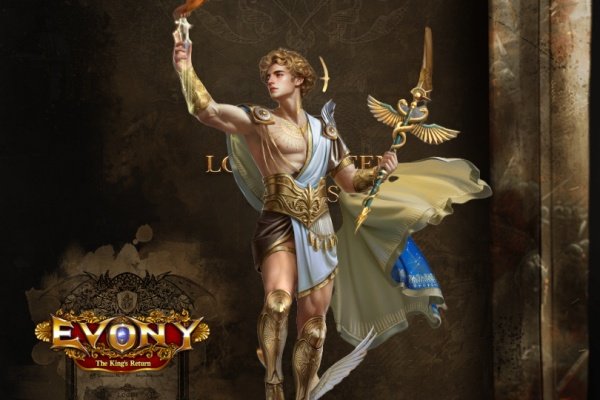
Events remain central to the game’s evolving narrative and progression systems. One recent example is the Starry Pilgrimage event released in 2026, which drew notable attention from players. During the event, participants can obtain a range of rewards—including a chance to recruit the new Epic Historic General Tishtrya from the fifth package tier—alongside high-level items such as Lv7 Barbarian King’s Tokens and Lv7 Premium Gear Chests (Lyre).
Players can also join the Stars and Earth event for the opportunity to earn substantial rewards, including 20 Bull-Headed Maces. Meanwhile, the storyline progresses through a resource known as Haoma, which players collect by defeating Normal Nasu or Elite Nasu enemies. By contributing to Haoma, players collectively advance the event narrative, adding a cooperative dimension to the experience.
Events like these illustrate a broader principle in mobile strategy design: the balance between depth and sustainability. Successful titles must offer layered gameplay systems while maintaining a structure that remains welcoming to newcomers.
For developers, that balance often extends to monetization strategy as well. A healthy live-service ecosystem considers both free-to-play participants and paying players, ensuring that progression remains meaningful across different play styles. Continuous updates, refined rules, and evolving narratives help guide new players into the game’s universe while giving long-time veterans fresh challenges and competitive goals.
Ultimately, the enduring success of strategy MMOs on mobile suggests something simple yet powerful: when a game becomes both a social space and an evolving world, players tend to stay. And in the crowded mobile market, longevity is often the clearest sign that a community—and the systems that support it—are doing something right.